Techeu summit comes to a close
2022-05-26
Written by Zachary Rodriguez-Lopez
Tech.eu Summit concludes with a keynote on AI innovation in Europe and a CEO panel discussing future tech trends. The event also featured an exhibition hall showcasing cutting-edge startups from across the continent.
The Tech.eu Summit: A Glimpse into a Sustainable Future for Technology
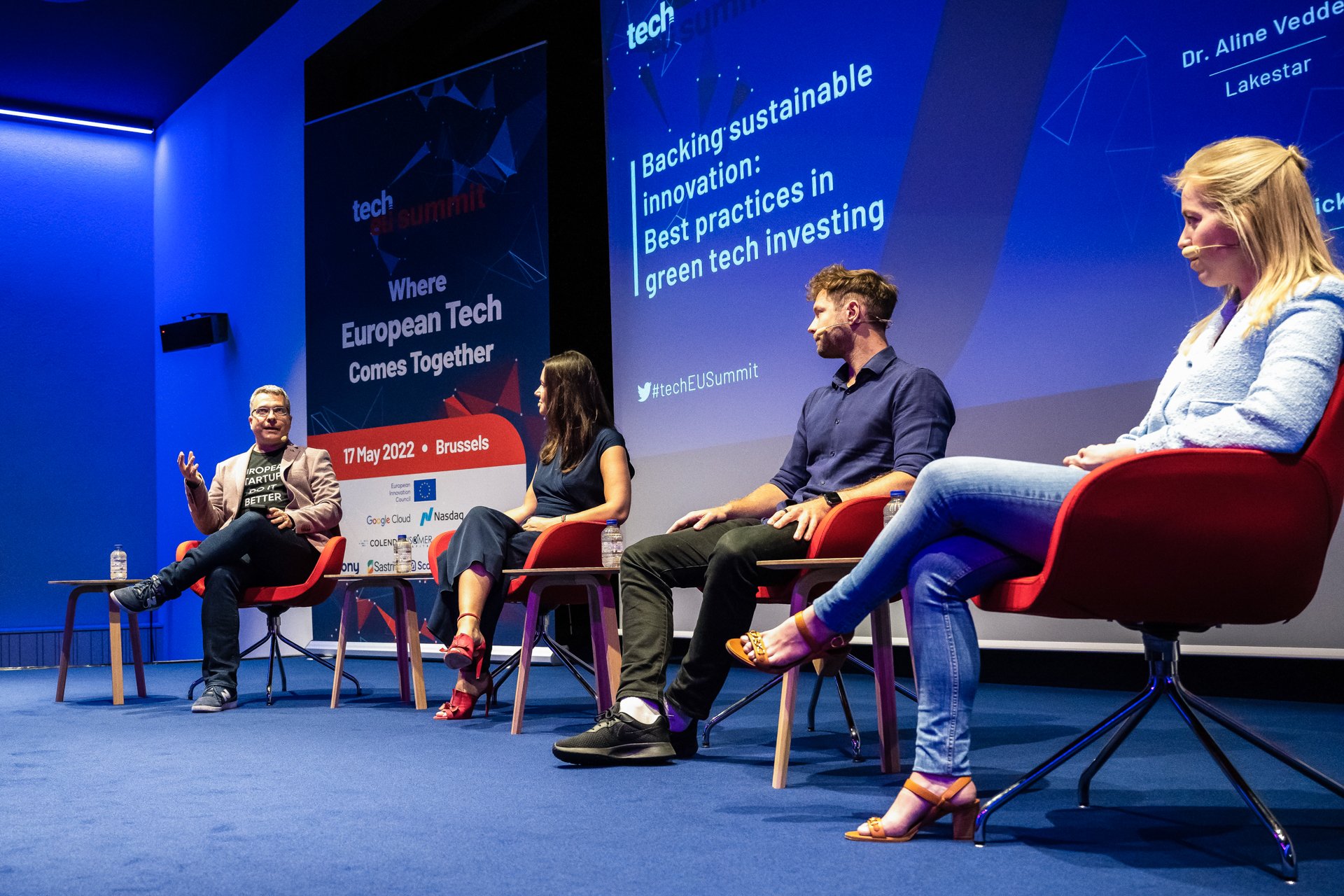
The curtains closed on another successful iteration of the Tech.eu Summit, a premier event that brings together innovators, policymakers, and industry leaders to discuss the latest advancements in technology and their impact on our world. This year's summit, which took place recently, focused squarely on the intersection of technological innovation and sustainability. The afternoon sessions delved into some of the most pressing topics shaping our future, from the metaverse to European tech sovereignty.
The Metaverse: A New Frontier for Tech Innovation
One of the most promising areas of exploration at this year's summit was the metaverse, a term that has been gaining traction in recent times. For those unfamiliar with the concept, the metaverse refers to a hypothetical future version of the internet that is more immersive and interactive than what we experience today. It promises to revolutionize the way we interact with technology, creating new possibilities for entertainment, education, and social interaction. Several panelists and speakers at the summit shared their insights on the metaverse, highlighting its potential applications in fields such as virtual reality, augmented reality, and online gaming.
Deep Tech: The Power of Emerging Technologies

Another area of focus at this year's summit was deep tech, a term used to describe cutting-edge technologies that have the potential to drive significant innovation and impact. Deep tech encompasses a range of emerging technologies, including artificial intelligence, machine learning, blockchain, and quantum computing. These technologies are being harnessed by startups and established companies alike to solve some of the world's most pressing challenges, from climate change to healthcare and energy.
European Tech Sovereignty: A Critical Issue
The European tech sovereignty debate has been gaining momentum in recent times, with many policymakers and industry leaders arguing that the region needs to take greater control over its technology policies and regulations. This is driven by concerns about data protection, cybersecurity, and intellectual property rights, among other issues. At this year's summit, several speakers shared their perspectives on European tech sovereignty, highlighting both the benefits and challenges of a more autonomous approach to technological regulation.
The Future of NFTs: A New Era for Digital Ownership
Non-fungible tokens (NFTs) have been making headlines in recent times, with many artists, musicians, and creators exploring their potential as a new form of digital ownership. NFTs are unique digital assets that can be bought, sold, and traded like traditional commodities. They have the potential to disrupt various industries, from art to music to gaming. Several panelists at this year's summit discussed the future of NFTs, exploring both their creative applications and regulatory implications.
Crypto and Blockchain: The Future of Financial Transactions
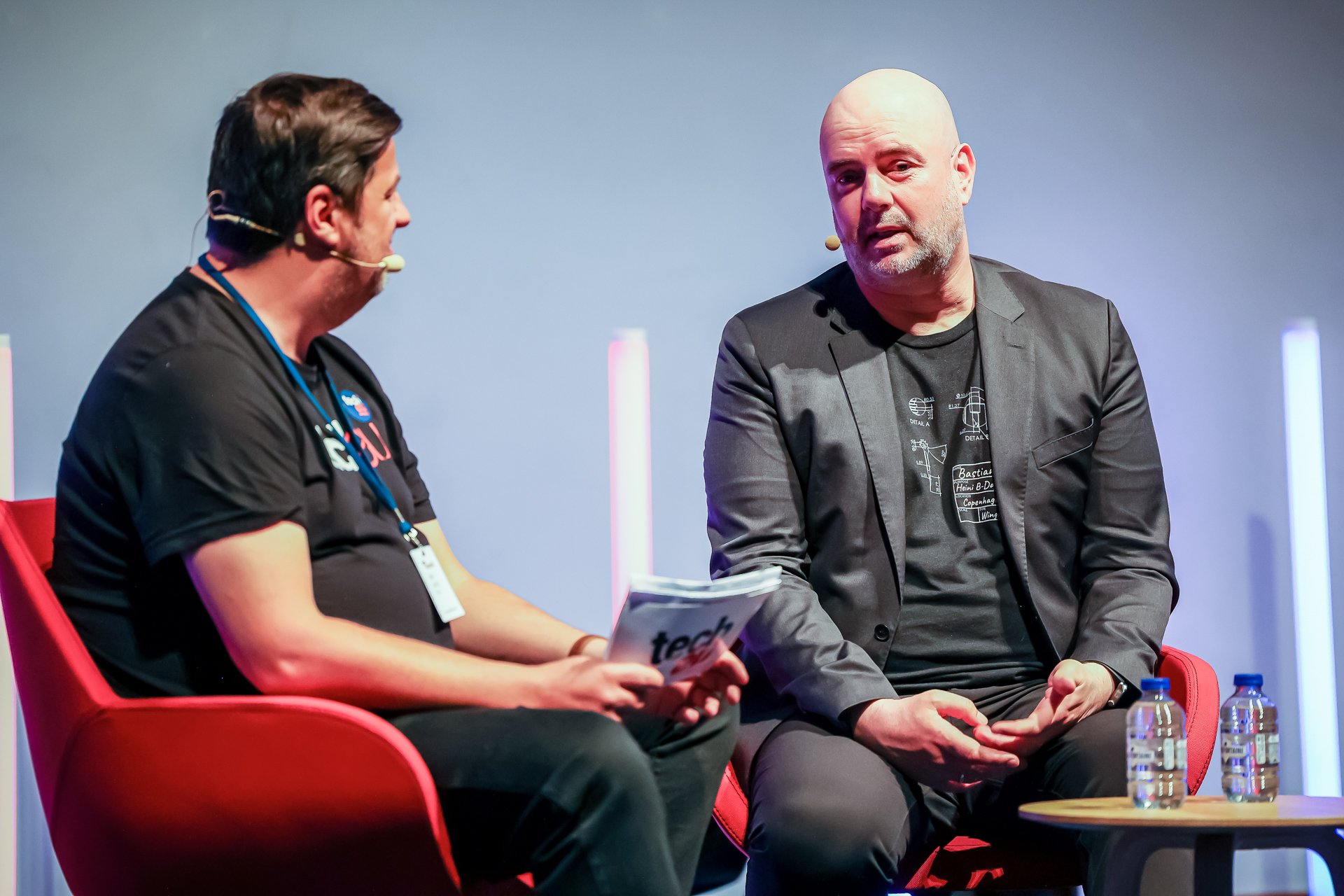
Cryptocurrencies and blockchain technology are transforming the way we think about financial transactions. With the rise of decentralized finance (DeFi) and non-fungible tokens, the boundaries between traditional financial systems and new technologies are becoming increasingly blurred. Several speakers at this year's summit discussed the potential applications of crypto and blockchain in areas such as payment systems, supply chain management, and identity verification.
Startups and the Ukraine Crisis: Making a Difference
Finally, several startups shared their experiences of working with governments and organizations to support efforts related to the ongoing Ukraine crisis. From providing humanitarian aid to developing innovative technologies for disaster response, these startups are demonstrating the power of technology to drive positive change in times of need. Their stories serve as a testament to the impact that innovation can have on society.
Conclusion
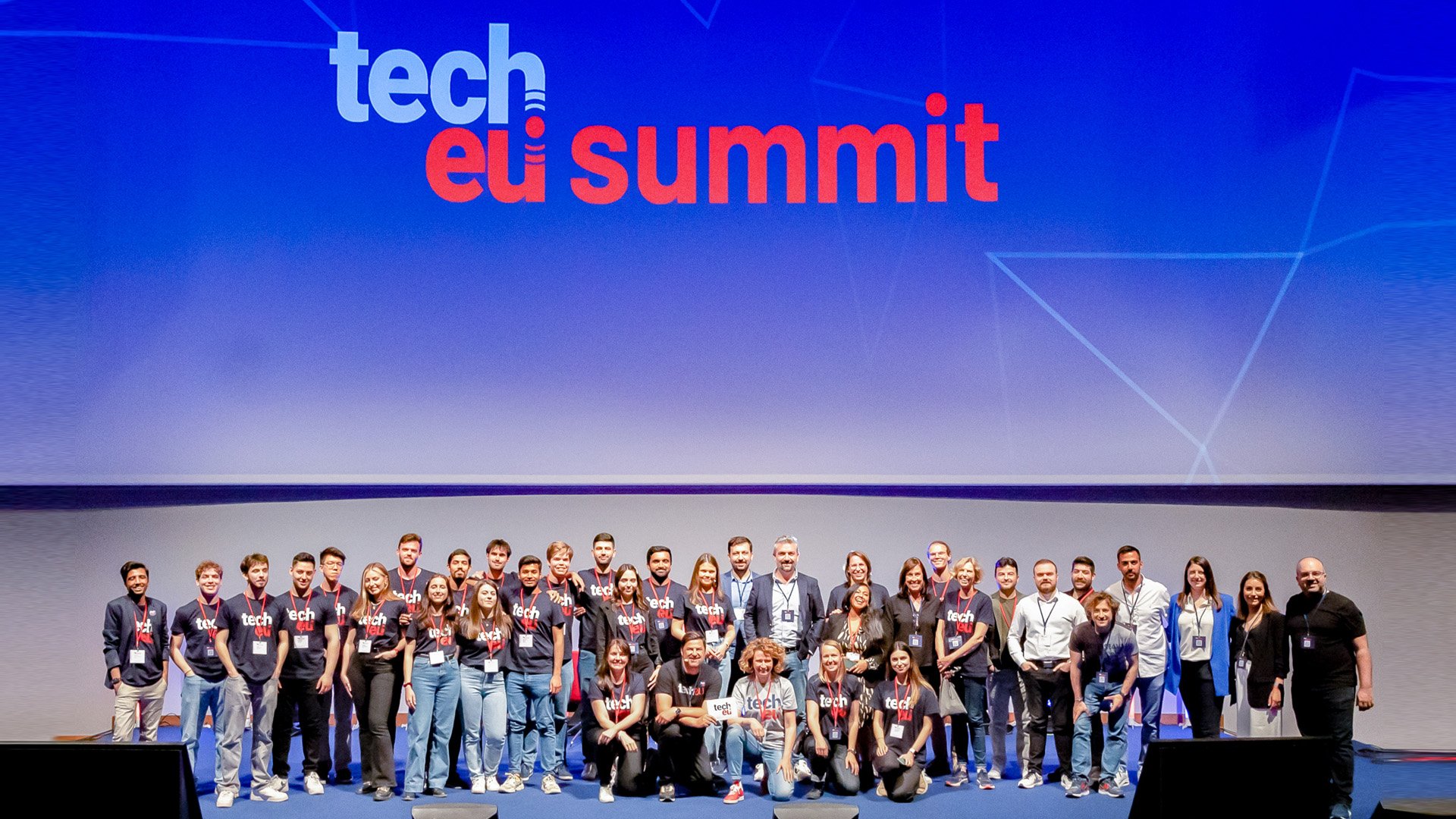
The Tech.eu Summit was a resounding success, with attendees leaving with a renewed sense of purpose and excitement about the future of technological innovation. As we move forward into an increasingly complex and interconnected world, it is essential that we prioritize sustainability and responsible innovation. The conversations had at this year's summit offer valuable insights into the ways in which technology can be harnessed to drive positive change, from addressing climate change to promoting digital inclusion.
By supporting startups, policymakers, and industry leaders, we can create a more sustainable future for all. As the Tech.eu Summit demonstrated, there is still much work to be done, but with collaboration, creativity, and determination, we can overcome even the most daunting challenges.
The Future is Now: Let's Make It Happen
As we look to the future, it is clear that technology will play an increasingly critical role in shaping our world. By prioritizing innovation, sustainability, and responsibility, we can create a brighter future for all. The Tech.eu Summit was a significant step towards this goal, offering a platform for discussion, debate, and collaboration.
Let's continue to push the boundaries of what is possible with technology, working together to build a more sustainable, equitable, and connected world. The future is now – let's make it happen!